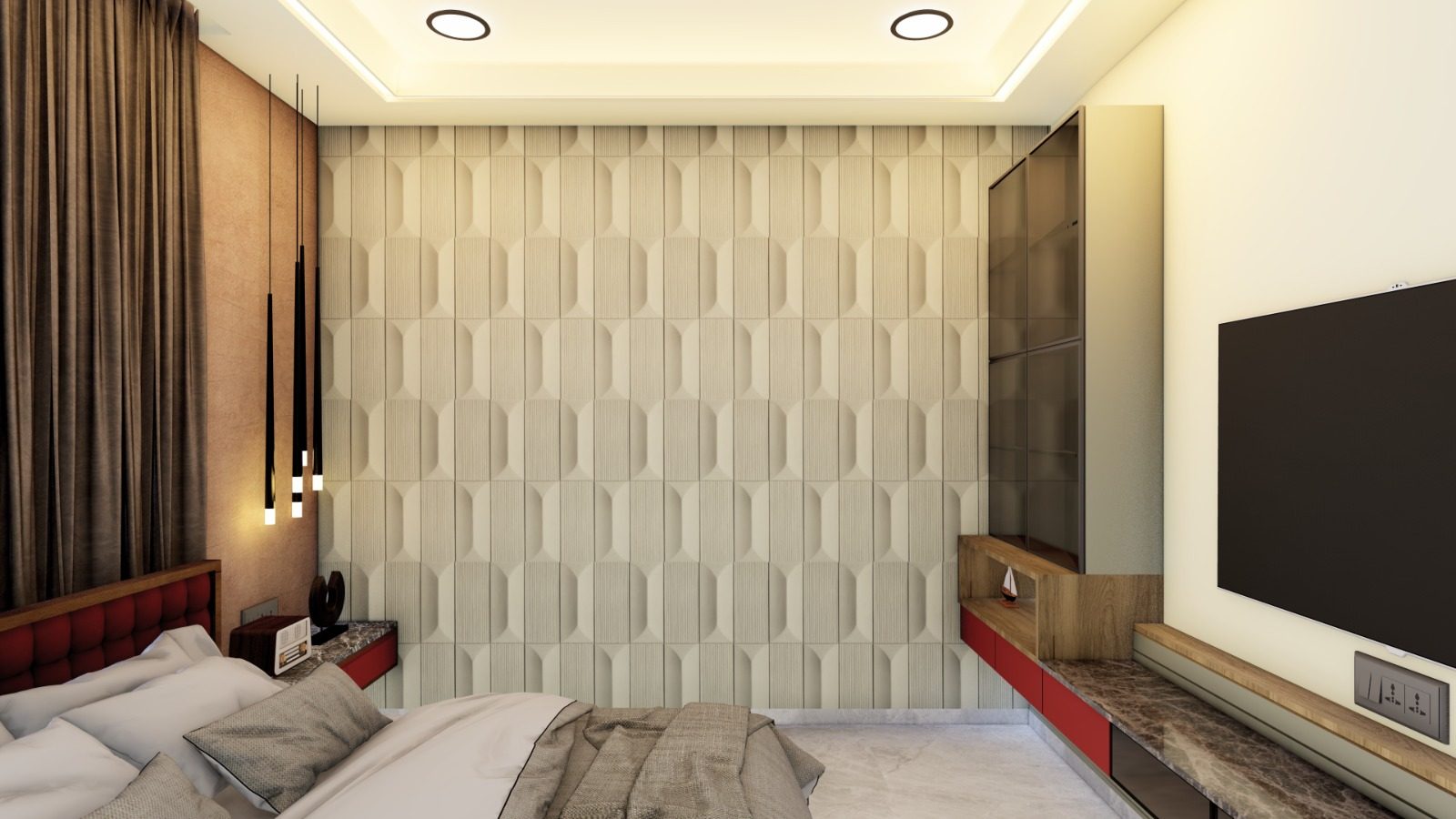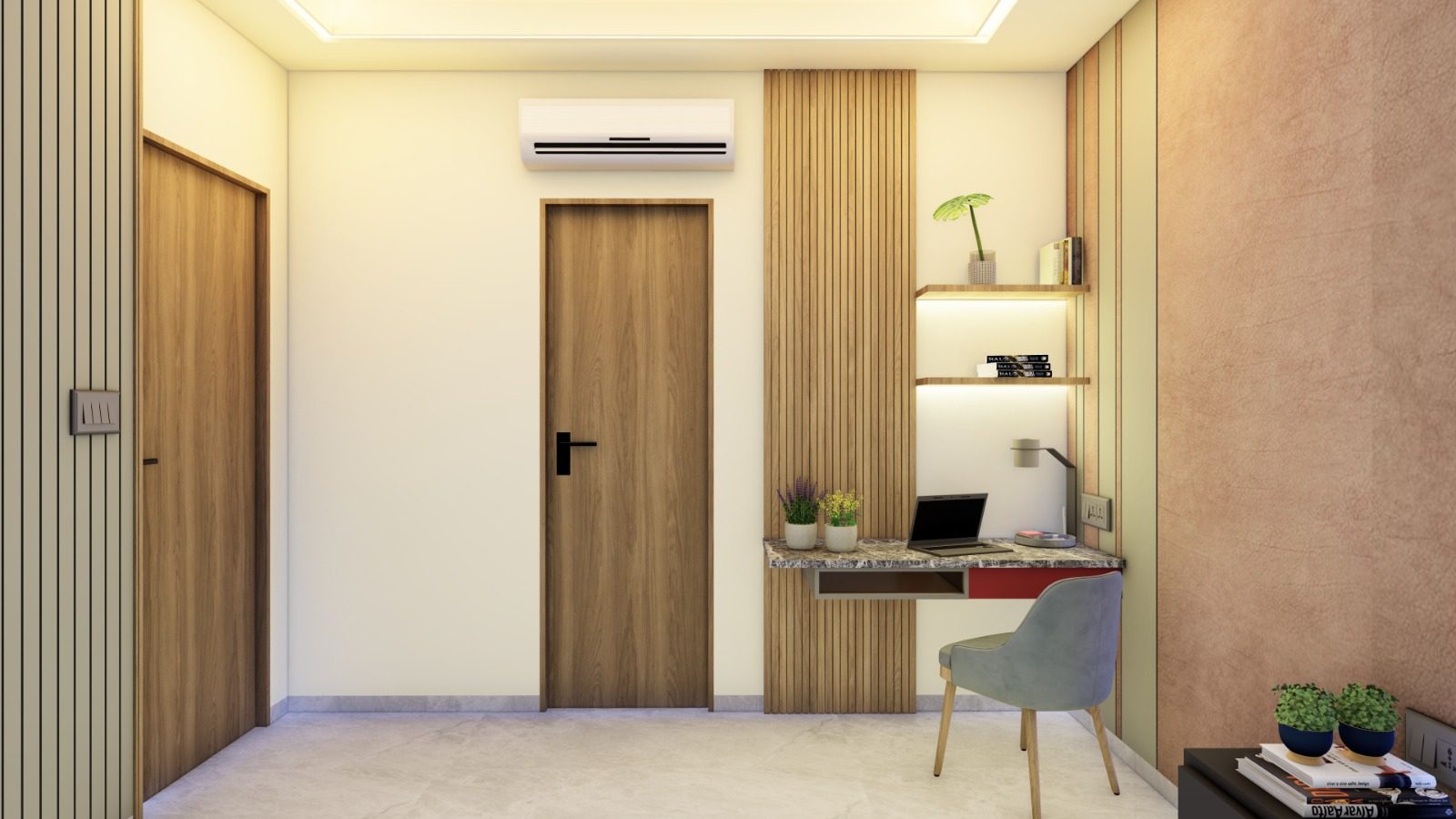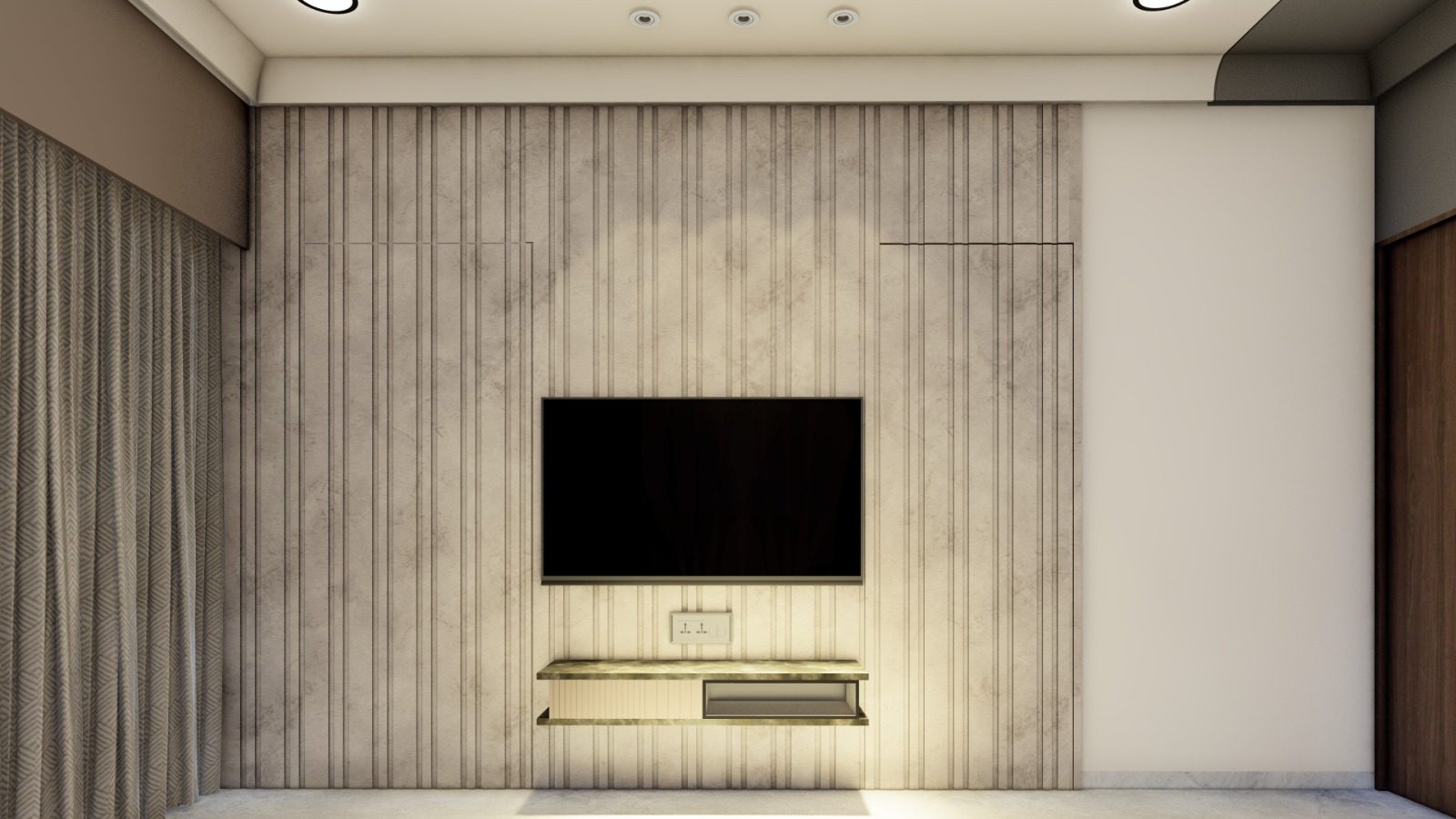
The two common ways to get an interior built in India, what each one means for your time, budget and stress levels, and how to decide.
Most home and office interiors in India are built in one of two ways. Understanding the difference early saves money and a lot of site-visit stress.
Item-by-item contracting
You (or your designer) hire separate people for each trade — civil work, carpentry, electrical, false ceiling, painting — and coordinate them yourself.
Good for: small jobs, owners with time to visit site often, and people who already have trusted tradespeople.
Watch out for: gaps between trades ("that's the electrician's job"), rework when one trade damages another's finished work, and a timeline that depends on how well you coordinate.
Turnkey execution
One company takes responsibility for the whole project: design, material coordination, all trades on site, supervision and handover.
Good for: full homes, offices and hospitality spaces, and anyone who wants a single point of accountability.
Watch out for: make sure the scope, materials and brands are written into the contract, and that you see drawings before work starts.
How to decide
Ask yourself three questions:
- How many trades does the job involve? More than three usually favours turnkey.
- How much time can you spend on site each week?
- Do you want one number to call when something goes wrong?
At Sutradhar we work both ways, but most clients choose turnkey because design and execution sit under one team — what you approve on paper is what gets built on site.